
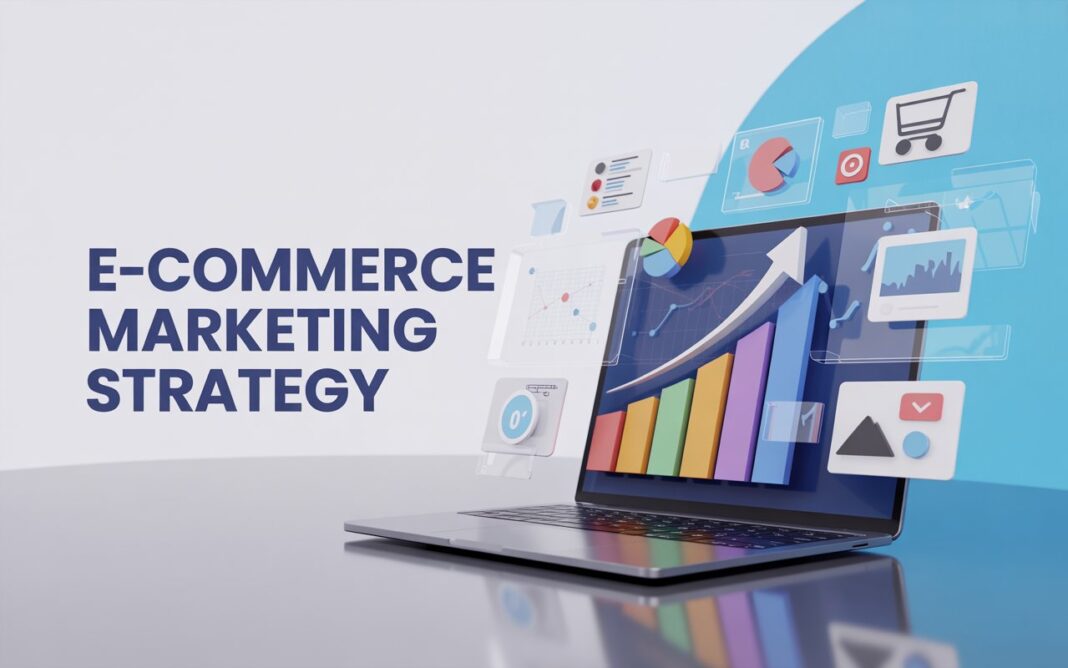
E-commerce marketing is the process of promoting an online store to attract customers and increase sales. It involves using various marketing tactics to help e-commerce companies reach their target audience and turn visitors into buyers. When someone runs an e-commerce business, they need effective marketing to stand out in the crowded digital marketplace.
The e-commerce world has grown significantly over the past few years. More people shop online than ever before, which means ecommerce brands need strong marketing strategies to succeed. Understanding how to market products or services effectively can make the difference between a thriving business and one that struggles to find customers.
Understanding E-commerce Marketing Strategies
E-commerce marketing strategies are the plans and actions businesses use to promote their online store and increase sales. These strategies help e-commerce sites reach potential customers, build relationships, and encourage purchases. Every successful ecommerce operation needs a clear e-commerce marketing plan to guide its efforts.
Marketing strategies based on data and customer behavior tend to work best. When businesses understand what their customers want and how they shop, they can create more effective campaigns. This strategy-based approach helps companies make smarter decisions about where to invest their marketing spend.
Types of E-commerce Marketing
There are several types of e-commerce marketing that businesses can use. Each type of marketing serves a different purpose and reaches customers in unique ways. Understanding these different marketing approaches helps business owners build a successful marketing plan.
Email Marketing
Email marketing is one of the most powerful marketing tools available to e-commerce stores. It allows businesses to communicate directly with customers through marketing emails. When done right, email marketing can generate impressive returns on investment.

Businesses use email marketing tools to send newsletters, promotional offers, and personalized recommendations. This marketing channel keeps customers engaged and encourages repeat purchases. Many successful e-commerce businesses rely heavily on email marketing to drive sales.
Email marketing involves building a list of subscribers who have given permission to receive messages. Companies can then segment their lists and send targeted campaigns based on customer preferences and behavior. This personalized approach makes email marketing particularly effective.
Content Marketing
Content marketing involves creating valuable information that helps and educates potential customers. This might include blog posts, videos, guides, or tutorials related to the products or services a business sells. A solid content marketing strategy helps establish an e-commerce brand as an expert in their field.
When businesses create helpful content, they attract people who are searching for information on search engines. This brings organic traffic to their e-commerce site without paying for ads. Content marketing also builds trust with potential customers by providing value before asking for a sale.
Social Media Marketing
Social media marketing uses platforms like Facebook, Instagram, and TikTok to connect with customers. A good social media marketing strategy involves posting regularly, engaging with followers, and building a community around an e-commerce brand.
These e-commerce platforms allow businesses to showcase their products visually and tell their brand story. Social media also makes it easy for customers to share products they love with their friends, creating word-of-mouth marketing.
Influencer Marketing
Influencer marketing involves partnering with popular social media personalities who can promote products to their followers. When someone with a large audience recommends a product, their followers often trust that recommendation.
An influencer marketing campaign can quickly introduce an e-commerce business to thousands or even millions of potential customers. This form of e-commerce marketing works especially well for reaching younger audiences who trust influencers more than traditional advertising.
Search Engine Optimization
Search engine optimization, often called SEO, helps e-commerce stores appear higher in search results. When someone searches for a product on search engines like Google, businesses want their product page to show up on the first page of results.

SEO involves improving website content, structure, and technical elements to make them more attractive to search engines. Strategies such as SEO take time to show results, but they provide long-term benefits by bringing consistent organic traffic.
Paid Advertising
Paid advertising allows businesses to place ads on search engines, social media, and other websites. This includes marketing and paid advertising methods like Google Ads, Facebook Ads, and display advertising. While it costs money, paid advertising can deliver quick results.
Affiliate Marketing
Affiliate marketing is a marketing program where other people or websites promote products in exchange for a commission on sales. This creates a network of marketers working to drive sales to an e-commerce store without requiring upfront payment.
SMS Marketing
SMS marketing, also called text message marketing, involves sending promotional messages directly to customers’ phones. This marketing tactic has become increasingly popular because text messages have high open rates. People typically read text messages within minutes of receiving them.
Creating a Successful E-commerce Marketing Plan
To create a successful e-commerce marketing plan, businesses need to understand their goals and target audience. This e-commerce marketing plan should outline which marketing activities will be used and how success will be measured.
First, businesses should identify the most effective strategies for their specific situation. Not every marketing channel works equally well for every e-commerce business. Some might find email marketing delivers the best results, while others might see more success with social media marketing.
Marketing budgets also play a crucial role in planning. Businesses need to decide how much to invest in each marketing channel and track their return on investment. A marketing manager typically oversees these decisions and ensures marketing efforts stay on track.
Essential E-commerce Marketing Tactics
Beyond choosing the right marketing strategies, businesses need specific e-commerce marketing tactics to implement them effectively. These are the day-to-day actions that bring strategies to life.
One important marketing tactic involves optimizing the product page for each item in the online store. Good product pages include clear photos, detailed descriptions, and customer reviews. These elements help convince visitors to make a purchase.
Another key tactic involves using marketing automation to streamline repetitive tasks. Marketing automation tools can send welcome emails to new subscribers, follow up with abandoned cart reminders, and segment customers based on their behavior.
E-commerce Marketing Tips for Success
Here are some e-commerce marketing tips that can help businesses grow:
Understanding marketing statistics helps businesses make informed decisions. By tracking metrics like conversion rates, customer acquisition costs, and lifetime value, companies can optimize their marketing efforts and focus on what works best.
Marketing for e-commerce requires patience and persistence. While some marketing tactics deliver quick results, building a sustainable ecommerce business takes time. Successful e-commerce companies consistently test new approaches and refine their strategies based on results.
Building Your E-commerce Marketing Strategy
Marketing is an essential component of running a successful e-commerce operation. Without effective marketing, even the best products or services will struggle to find customers. E-commerce marketing strategies involve multiple channels working together to create a cohesive customer experience.
To create a successful marketing approach, businesses should start with a clear understanding of their target audience. Who are they trying to reach? What problems do their products solve? What marketing practices resonate with their ideal customers?
An e-commerce platform is a software solution that powers the online store, but marketing is what brings customers to it. Traditional marketing methods often don’t work as well for e-commerce as digital approaches do. That’s why businesses need to focus on strategies that fit the digital environment.
Developing Your Marketing Strategy
The right e-commerce marketing approach combines multiple channels into an integrated marketing system. This overall marketing strategy ensures all marketing efforts work together rather than competing for attention.
E-commerce marketing efforts should align with clear marketing goals. Whether a business wants to increase sales, build brand awareness, or improve customer retention, its marketing campaign should support these objectives. Marketing strategies to meet specific goals require careful planning and execution.
Marketing helps businesses stand out in competitive markets. With so many e-commerce stores competing for attention, effective e-commerce marketing makes the difference between success and failure. Successful e-commerce marketing requires understanding what makes customers click, browse, and ultimately buy.
Types of E-commerce Marketing Approaches
When exploring types of e-commerce marketing, businesses discover many options. Some focus on building long-term relationships, while others drive immediate sales. The best approach typically combines several types of e-commerce marketing into a comprehensive plan.
Marketing allows businesses to tell their story and connect with customers emotionally. It’s not just about listing features and prices. Marketing offers opportunities to show personality, build trust, and create memorable experiences.
Moving Forward with Your Marketing Plan
To build a successful marketing foundation, businesses need to start with a strategy in place. This means having clear plans before launching marketing activities. Rushing into marketing without a plan often leads to wasted resources and poor results.
Marketing is the practice of communicating value to potential customers. For e-commerce businesses, this means showing why products or services deserve attention in a crowded marketplace. E-commerce marketing plan development should be a priority for any business owner.
The first marketing efforts might not deliver perfect results, but they provide valuable learning opportunities. Businesses should tailor their marketing approach based on what they learn from early campaigns. This iterative process leads to continuous improvement.
Marketing is a complex field with many moving parts. However, by focusing on fundamentals and consistently delivering value to customers, businesses can create effective e-commerce marketing that drives real results. Whether through email marketing, content creation, social media engagement, or other marketing tools, success comes from understanding customers and meeting their needs.
Your E-commerce Marketing Guide
This marketing guide has covered the essential elements of promoting an online store. From understanding basic concepts to implementing specific e-commerce marketing ideas, businesses now have a framework for success. The key is taking action and consistently applying these principles.
Remember, successful e-commerce doesn’t happen overnight. It requires dedication, smart strategy, and a willingness to adapt. With the right approach and persistent effort, any e-commerce business can grow its customer base and increase sales through effective marketing.