

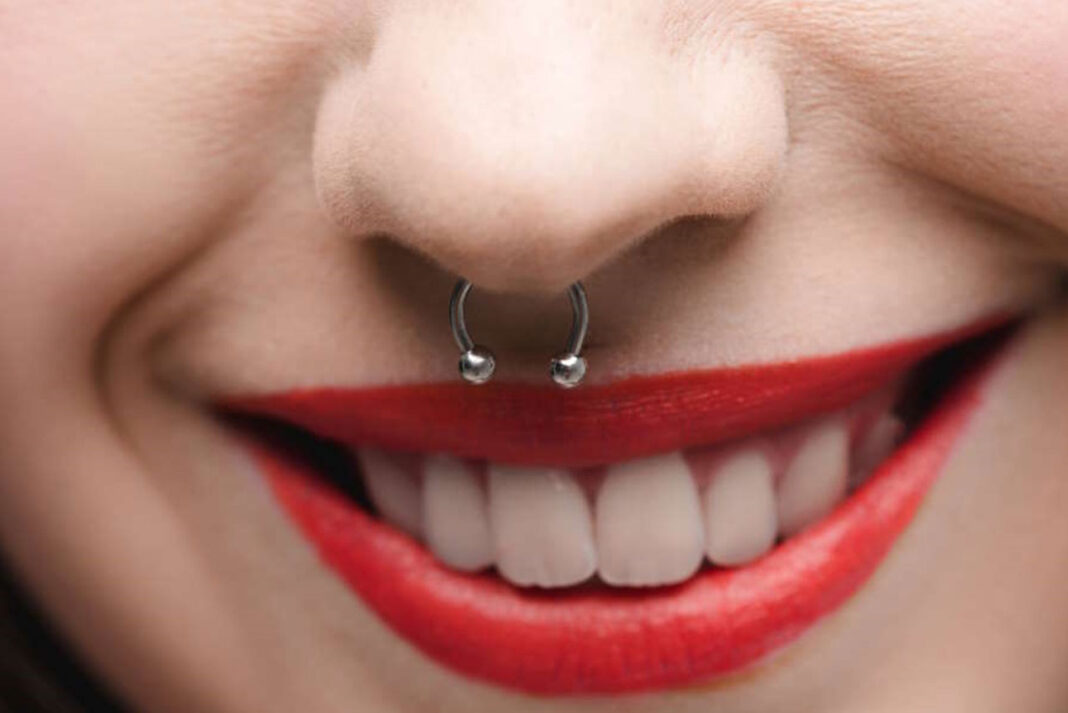
A septum piercing is one of the most distinctive and versatile forms of body modification, worn through the soft tissue between the nostrils. Historically rooted in tribal traditions and cultural identity, septum piercing has evolved into a mainstream fashion statement embraced by people of all ages and styles. From minimalist rings to ornate clickers, this piercing allows both bold expression and subtle elegance.
With its rising popularity, it is essential to understand the procedure, pain level, healing process, risks, and aftercare before getting pierced. This comprehensive guide is designed to provide expert-level, experience-backed information to help you make a confident and informed decision.
What Is a Septum Piercing?
A septum piercing is placed through the “sweet spot”, a thin membrane of skin located just below the nasal cartilage. A professional piercer avoids the hard cartilage entirely, which significantly reduces pain and complications.
When performed correctly, septum piercing is considered one of the safer and easier nose piercings to heal, making it suitable for both first-timers and experienced piercing enthusiasts.
Does a Septum Piercing Hurt?
One of the most frequently asked questions is about septum piercing pain. Pain tolerance varies, but most individuals describe the sensation as:
- A quick pinch or sharp pressure
- Followed by mild watering of the eyes
- Short-lived discomfort rather than prolonged pain
Because the piercing goes through soft tissue instead of cartilage, it is often less painful than nostril or cartilage piercings. Choosing an experienced piercer plays a crucial role in minimizing pain and ensuring precise placement.
Septum Piercing Healing Time
The healing time for a septum piercing typically ranges between 6 to 8 weeks, although complete internal healing may take up to 3–4 months.
Normal Healing Signs
- Mild swelling
- Light redness
- Clear or whitish discharge
- Slight tenderness
Warning Signs
- Persistent pain
- Yellow or green discharge
- Excessive swelling or heat
- Foul odor
If symptoms worsen or persist beyond the expected healing period, consult a professional piercer or medical expert.
Septum Piercing Aftercare: Best Practices
Proper septum piercing aftercare is essential to prevent infection and promote faster healing.
Recommended Aftercare Routine
- Clean twice daily using sterile saline solution
- Wash hands before touching the piercing
- Gently remove crust buildup with a saline-soaked cotton pad
- Keep the area dry and clean
What to Avoid
- Touching or twisting the jewelry unnecessarily
- Using alcohol, hydrogen peroxide, or harsh antiseptics
- Swimming in pools, hot tubs, or natural water bodies during early healing
- Applying makeup or skincare products near the piercing
Consistent aftercare demonstrates responsibility and significantly reduces complications.
Popular Septum Jewelry Styles
Choosing the right jewelry is both a style and safety decision. High-quality materials help prevent irritation and allergic reactions.
Common Septum Jewelry Options
- Circular Barbells (Horseshoe Rings): Ideal for beginners; easy to flip up and conceal.
- Septum Clickers: Stylish and secure: available in intricate designs.
- Seam Rings: Minimalist and sleek: best once healing is complete.
Recommended Materials
- Implant-grade titanium
- Surgical stainless steel
- Niobium
- Solid gold (14k or higher)
Avoid low-quality or plated metals during healing.
Septum Piercing Risks and Safety Considerations
While septum piercing is generally safe, potential risks include:
- Infection: Caused by poor hygiene or improper aftercare.
- Jewelry Rejection or Migration: Occurs when the body treats jewelry as a foreign object.
- Allergic Reactions: Often due to nickel or low-quality metals.
- Improper Placement: Can result in prolonged pain or uneven appearance.
- Risk Prevention Tip: Always choose a certified professional piercer and follow aftercare instructions meticulously.
How Much Does a Septum Piercing Cost?
The septum piercing cost typically ranges from $40 to $120, depending on:
- Studio reputation
- Piercer experience
- Jewelry quality
- Geographic location
Avoid choosing studios solely based on low pricing, as safety and hygiene should always come first.
Who Should Avoid Septum Piercing?
You may need professional advice if you:
- Have nasal structural issues
- Suffer from chronic sinus infections
- Have bleeding disorders
- Are prone to keloid scarring
Consulting a medical professional beforehand enhances trust and safety.
Expert Tips Before Getting a Septum Piercing
- Eat a proper meal before your appointment
- Avoid alcohol or blood-thinning medications
- Bring photo references for desired jewelry
- Follow your piercer’s pre- and post-care advice strictly
These steps improve the overall experience and healing outcome.
Final Thoughts
A septum piercing is more than a trend—it is a personal statement that blends tradition, fashion, and individuality. When performed by an experienced professional and maintained with proper aftercare, it is a safe, stylish, and versatile piercing.
By understanding septum piercing pain, healing time, aftercare, jewelry options, and risks, you can confidently decide whether this piercing aligns with your lifestyle and aesthetic goals.
Frequently Asked Questions (FAQs)
How long does a septum piercing take to heal completely?
Initial healing takes 6–8 weeks, while full healing may take several months.
Can I hide my septum piercing?
Yes. Horseshoe barbells and retainers allow easy concealment.
Is septum piercing reversible?
Yes. If removed, it usually leaves little to no visible scarring.